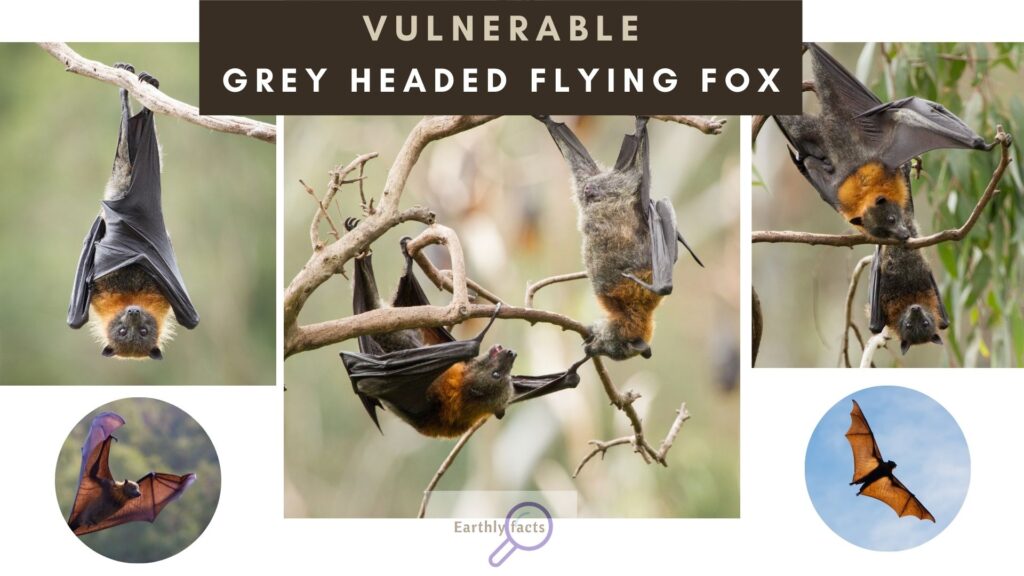

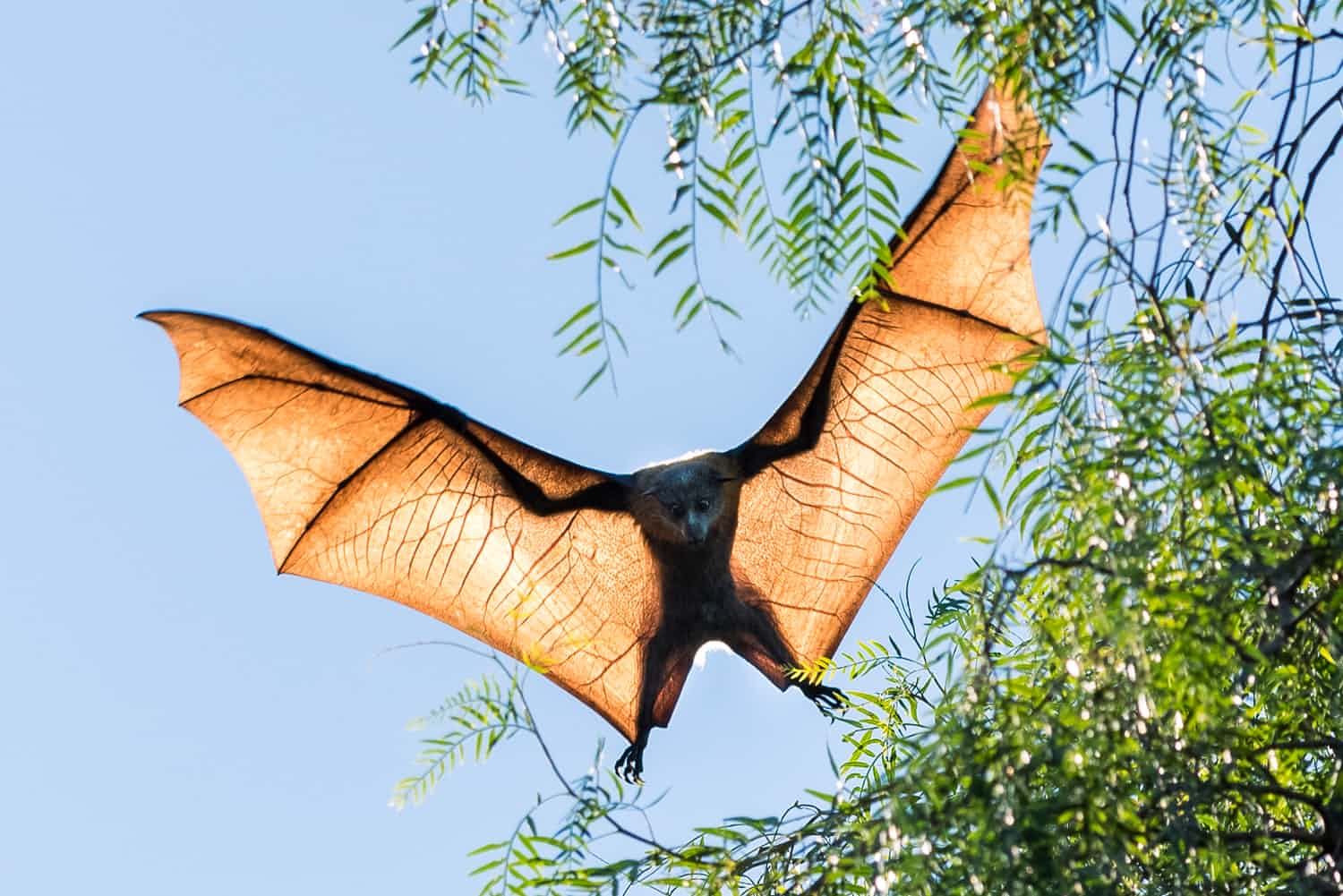
The Grey-Headed Flying Fox (Pteropus poliocephalus) is a native Australian megabat often misunderstood. Once primarily inhabiting coastal forests, these large, fruit-eating bats are increasingly becoming an “urban bat,” establishing large colonies (camps) in parks and suburban areas across eastern Australia. While their presence raises concerns about noise, mess, and zoonotic disease, new research and conservation efforts in 2025 highlight their undeniable ecological importance and the need for coexistence driven by evidence-based management.
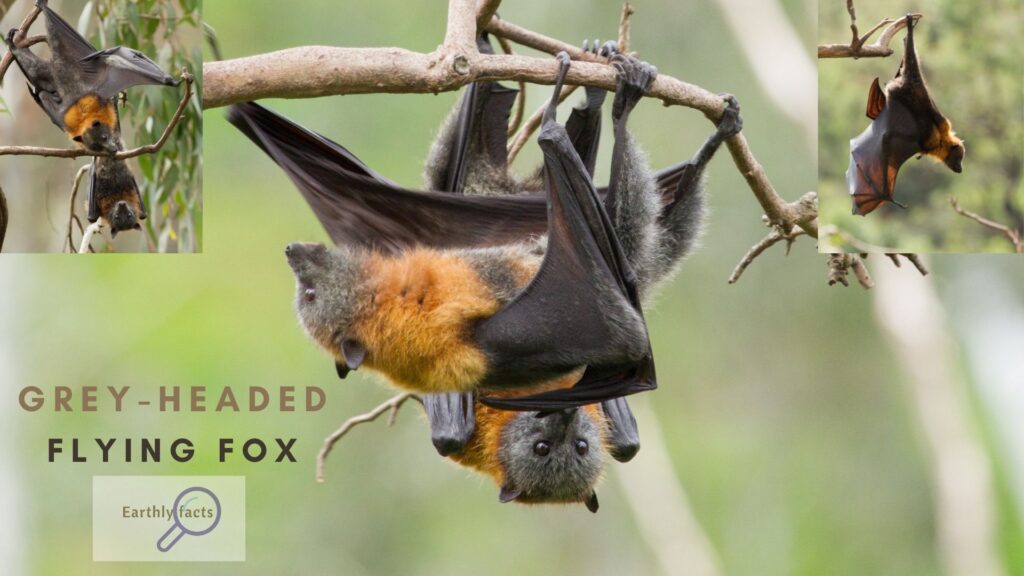
Ecological Architects: Pollinators and Seed Dispersers
Far from being pests, Grey-Headed Flying Foxes are critical to the health of Australian forests.
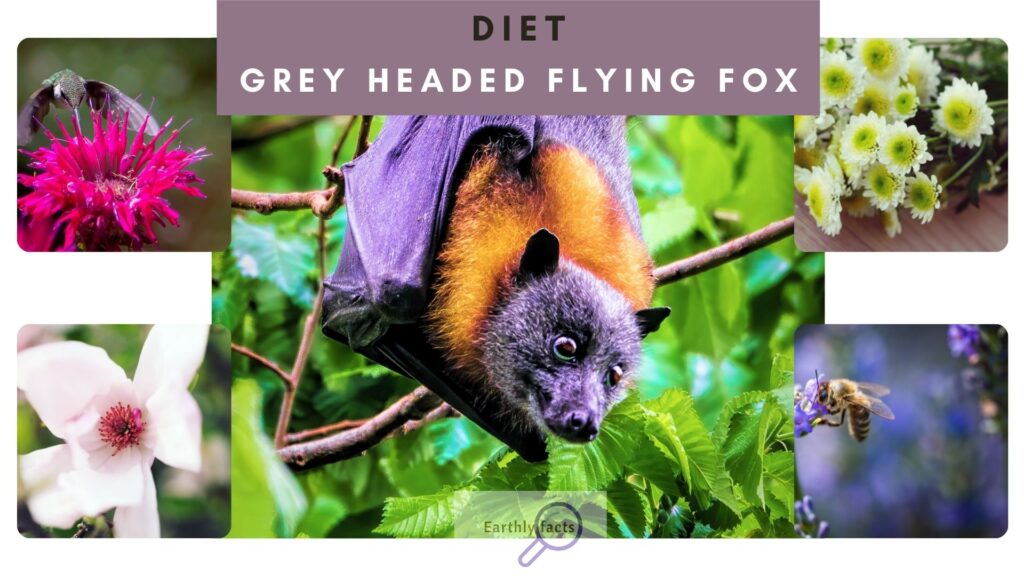
Nocturnal Pollinators: As predominantly nocturnal animals, they fill a unique ecological niche by pollinating hundreds of species of native Australian trees and plants, including eucalyptus and melaleuca. They are often the only effective pollinators for certain tree species, especially those with large, sturdy flowers.
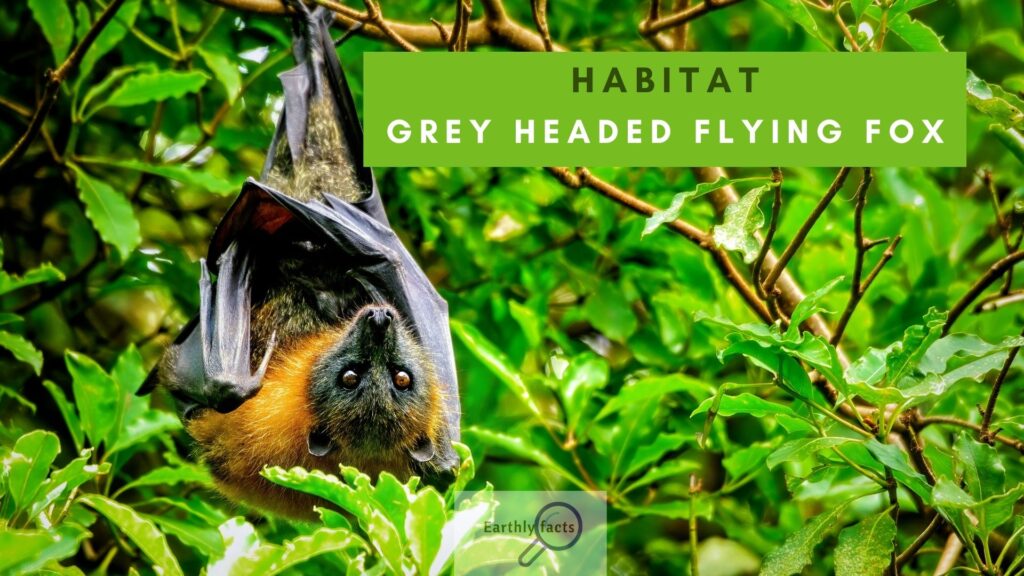
Keystone Seed Dispersers: Flying foxes consume fruits and then disperse the seeds widely as they fly, playing a vital role in forest regeneration. Without them, the genetic diversity and resilience of many native forests would decline significantly, impacting the entire ecosystem. This role is especially crucial in fragmented landscapes affected by bushfires and development.
The Urban Shift: Drivers and Consequences
The increasing presence of Grey-Headed Flying Foxes in urban environments is a complex issue driven by several factors:
Habitat Loss: Deforestation and habitat fragmentation in their traditional forest ranges force them closer to human settlements, where food sources (flowering and fruiting trees) can be more reliable, particularly during droughts or after severe bushfire seasons.
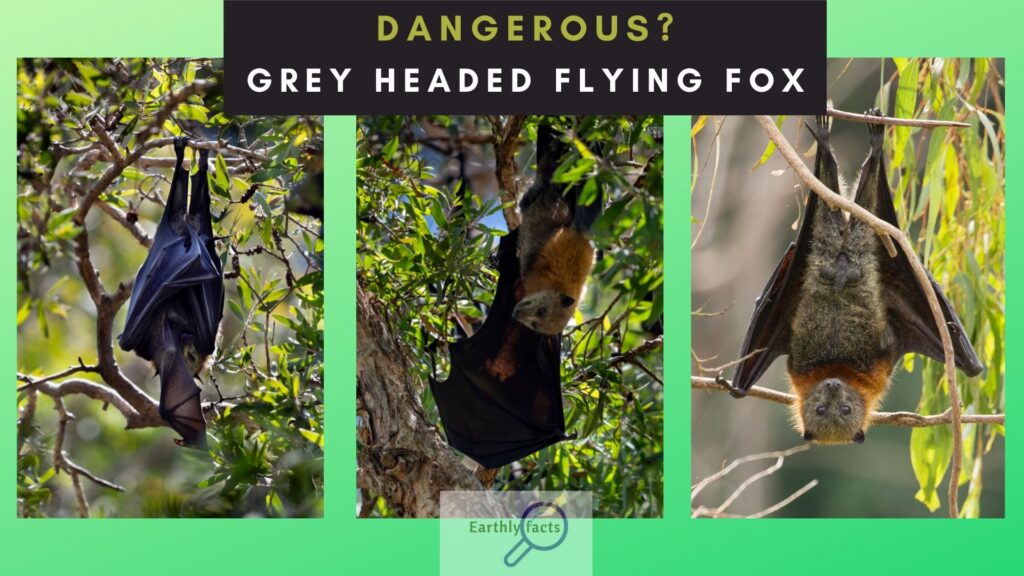
Climate Change Impacts: Extreme heat events, which are becoming more frequent, cause mass die-offs in traditional roosting sites. Urban areas, with their slightly cooler microclimates and tree-lined parks, offer some refuge, albeit a risky one.
Zoonotic Disease Management: Hendra Virus and Public Health (2025 Update)
The primary public health concern associated with flying foxes is the Hendra virus. However, understanding the actual risk is crucial:
Transmission: Hendra virus is primarily transmitted from flying foxes to horses, and then from infected horses to humans. There is no direct transmission from bats to humans documented.
Risk Mitigation (2025 Focus): Public health campaigns focus on:
Research: Ongoing research tracks bat health and virus prevalence to understand and manage potential outbreaks proactively, especially in the context of climate change stressing bat populations.
Vaccinating horses: This is the most effective measure to break the transmission chain.
Avoidance: Advising the public never to handle sick or dead flying foxes. Trained wildlife carers should be contacted.
Conservation Status and Efforts.
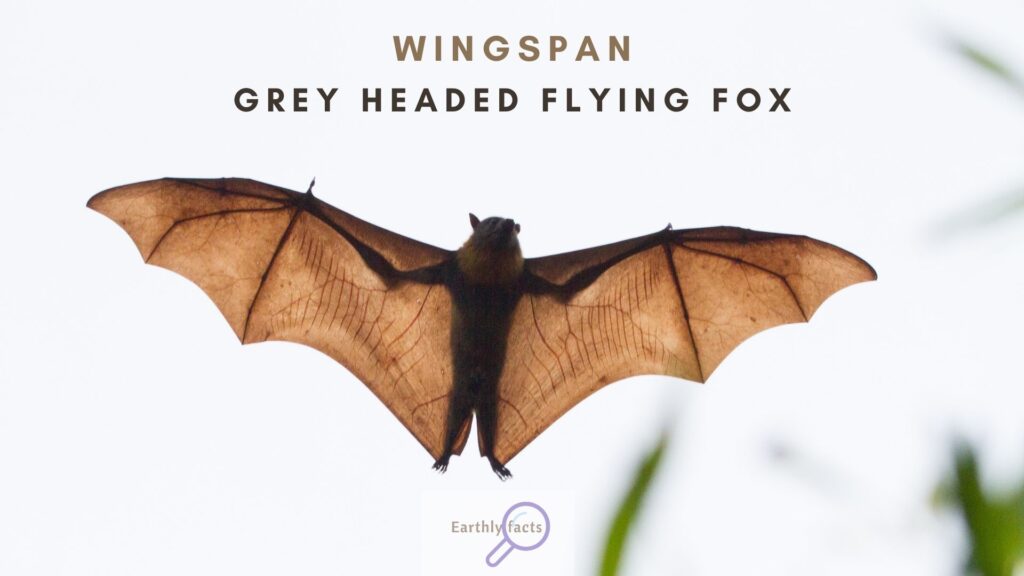
The Grey-Headed Flying Fox is listed as Vulnerable under Australian environmental law.
“Fly-Out” Counts: Annual counts help monitor population trends and health.
Protection: It is illegal to harm or disturb flying fox colonies without proper authorization.
Coexistence Strategies: Initiatives in 2025 involve:
Habitat Restoration: Planting native flowering and fruiting trees in strategic non-urban areas to draw bats away from dense human populations.
Educational Campaigns: Informing the public about their ecological importance and safe coexistence practices.
Conclusion
The Grey-Headed Flying Fox is a symbol of Australia’s rich biodiversity and the challenges of coexistence in a rapidly changing world. While urban encroachment brings new management complexities, these vital “gardeners of the forest” are indispensable to the health of Australia’s ecosystems. Through continued research, smart urban planning, and public education, the goal in 2025 is to ensure the long-term survival of this species and harmonious coexistence with human populations.